
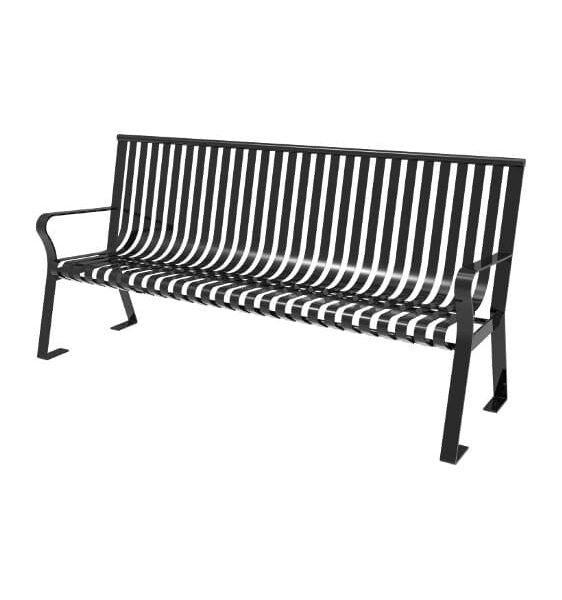
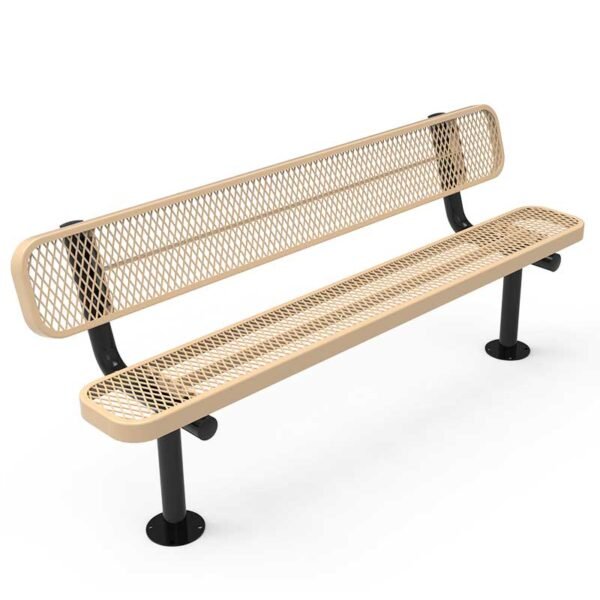
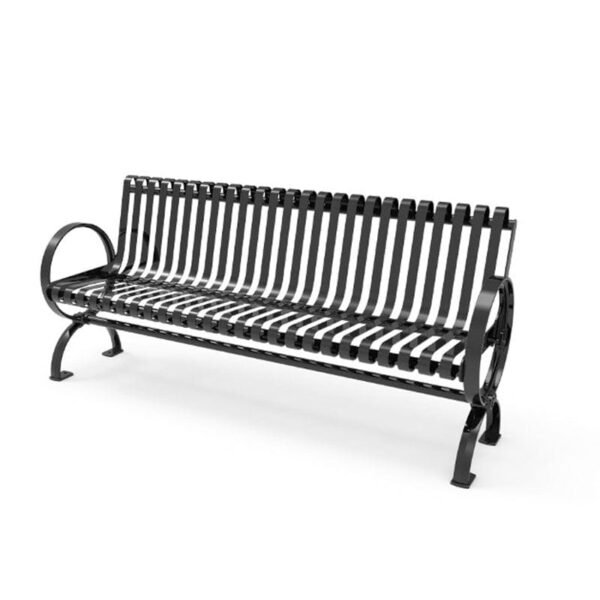

The bench that survives 15 years isn’t the cheapest one you can buy — it’s the one matched to your climate, mounted right, and built with hardware that outlasts the frame. For most inland parks, recycled HDPE is the lowest-maintenance choice; for high-traffic sites, thermoplastic-coated steel takes more abuse; and on any salt-air coast, aluminum or marine-grade hardware earns its premium. Below is the honest material comparison you need to write a defensible spec.
Park Benches That Last 15 Years: Why Cost of Ownership Beats Purchase Price
You bought identical benches three years ago. Half still look fine. The other half are peeling, rusting, or already replaced — and now you’re defending that line item in a public meeting. The difference usually isn’t the vendor. It’s the material, the coating, and the mounting spec you signed off on.
Here’s the trap. A bench that costs $600 and dies in year six costs you more than a bench that costs $1,100 and lasts fifteen. You pay twice for the cheap one — once to buy it, once to rip it out and reinstall. The second time, you’re also paying for labor, disposal, and the public scrutiny of replacing something you “just bought.”
Most parks departments depreciate site furnishings over a 15-to-20-year horizon, so that’s the bar. When a bench “survives,” it means it’s structurally sound and still passing a visual safety inspection at year fifteen — no exposed sharp edges, no failed welds, no rotted slats. That’s your ADA and liability line, not just an aesthetic one.
The Five Bench Materials, Head to Head
There are five materials you’ll realistically choose between. Here’s the honest version of each — including where the options we sell fall short.
| Material | Typical price (6-ft bench) | Realistic lifespan | Maintenance | Best climate |
|---|---|---|---|---|
| Powder-coated steel | $700–$1,400 | 15+ yrs inland; 3–5 yrs if coating fails on coast | Touch up chips promptly | Dry, inland |
| Thermoplastic-coated steel | $800–$1,600 | 15+ yrs high-traffic | Low; spot repair is harder | High-traffic, high-vandalism |
| Recycled plastic (HDPE) | $700–$1,500 | 15+ yrs | Lowest; wash or sand | Most inland parks |
| Aluminum | $900–$1,800 | 15+ yrs with marine-grade alloy | Low; watch for pitting | Coastal / waterfront |
| Wood (incl. ipe) | Varies | Hard to reach 15 yrs in service | Reseal every 1–3 yrs | Aesthetic mandate only |
1. Powder-coated steel
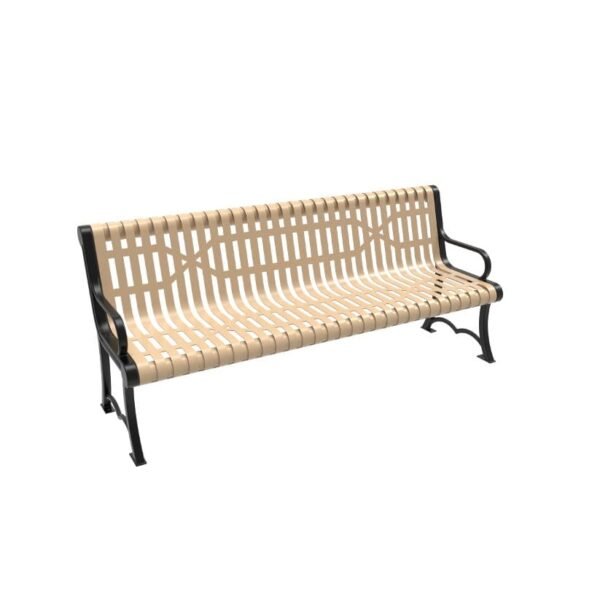
Strong, heavy, vandal-resistant. The catch is the coating. Powder coat is a paint layer — once it’s chipped or scratched, moisture gets underneath and rust spreads from the inside out. In a dry inland climate, you’ll get fifteen-plus years easily. On a salt-air coast, that same bench can show rust bleed in three to five years if the coating’s compromised. Steel’s lifespan is really a coating-and-climate question.
2. Thermoplastic-coated steel
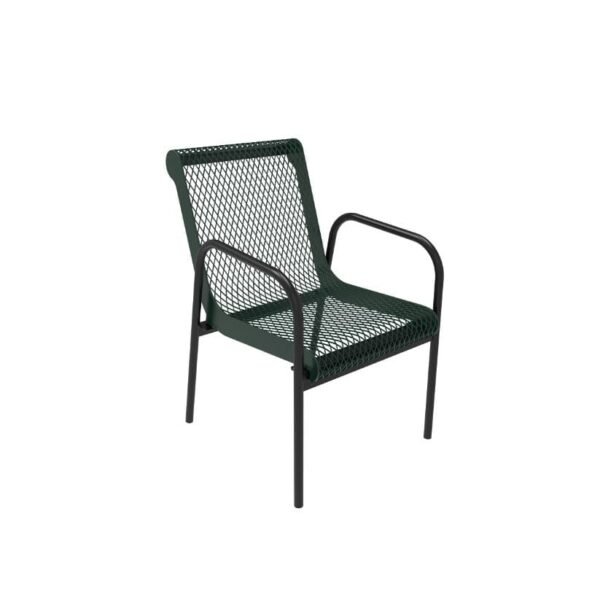
This is steel dipped in a thick, fused plastic layer — usually over expanded or perforated metal. It’s the workhorse of high-traffic public parks. The thick coating handles UV, moisture, and casual vandalism better than thin powder coat, and it stays cooler to the touch in sun than bare metal. The downside: if someone takes a knife or a lighter to it, the coating can be cut or scorched, and spot-repair is harder than touching up paint.
3. Recycled plastic (HDPE)
This is the low-maintenance champion. High-density polyethylene lumber doesn’t rust, rot, splinter, or need repainting, and the color runs all the way through — so a scratch doesn’t expose a different material underneath. That’s a real advantage against graffiti, because you can often sand or pressure-wash it off. The honest downsides: HDPE flexes more than metal, so longer benches need a steel sub-frame or center support, and it can fade slightly over many years of UV. It’s heavier than it looks — good for theft resistance, annoying for installation.
4. Aluminum
Aluminum doesn’t rust, which makes it the go-to for coastal and waterfront sites. It’s light, cutting your freight and install labor. But “doesn’t rust” isn’t “indestructible” — bare aluminum still corrodes in salt air through a process called pitting, so you want a marine-grade alloy or a powder-coat finish on top. It also dents more easily than steel and runs pricier.
5. Wood
Looks great on day one — and that’s mostly what it has going for it in a commercial setting. Even dense hardwoods like ipe need resealing every one to three years, or they gray, crack, and splinter into a splinter-injury claim. Softwood is worse. Unless you have the maintenance budget and a specific aesthetic mandate, wood is the hardest of these five to keep passing inspection for fifteen years.
The Spec Details That Actually Decide Longevity
Material is the headline. These four details are what actually fail first.
- Hardware. Your bench can outlast its bolts. Specify stainless steel — at minimum grade 304, and grade 316 if you’re on the coast. Standard zinc-plated hardware rusts and streaks down the legs, and a corroded fastener is a structural failure waiting to happen.
- Mounting. Surface-mount with an anchor kit into a concrete pad, or in-ground embed. Surface-mount is faster and lets you relocate; in-ground resists theft and vandalism better. Either way, an unanchored bench in a public park is a theft and tip-over claim — anchor everything.
- Drainage. Slats with gaps and weep holes shed water. Solid seats that pool water rot, freeze-crack, or breed rust at the contact points. Look for it.
- Coating spec. Ask for the actual mil thickness of the finish, not just the color. A thin decorative coat and a true commercial coat can look identical in the catalog photo and behave nothing alike in year four.
Matching the Bench to the Budget and the Bid
Now the procurement reality. Site furnishings are one of the few categories where you can often buy under your informal bid threshold without a full formal solicitation — a single bench, or a small cluster, frequently lands under the dollar limit where you’d need sealed bids. Check your own threshold, but that’s why benches are a common end-of-fiscal-year buy when you’ve got use-it-or-lose-it money and a short runway.
On timing, don’t assume in-stock. Commercial benches typically ship in 3–5 business days (ParkTuff brand) business days handling, with freight transit of roughly five to twenty-one business days depending on where you are. If you’re spending year-end dollars, that lead time is the difference between a purchase order that closes this fiscal year and one that doesn’t.
The Honest Recommendation
So what survives fifteen years?
- For most inland parks with limited maintenance staff, recycled HDPE is the lowest-headache choice — no painting, color-through, graffiti you can clean.
- For high-traffic, high-vandalism sites, thermoplastic-coated steel takes more abuse.
- For the Florida coast or any salt-air location, aluminum or marine-grade hardware is worth the premium. We’re in South Florida, and we watch standard steel benches lose to salt air every year.
Frequently Asked Questions
What is the longest-lasting material for a commercial park bench?
There’s no single winner — it depends on your climate and maintenance budget. Recycled HDPE lasts 15+ years with almost no upkeep inland, thermoplastic-coated steel handles high-traffic abuse, and marine-grade aluminum is the durability leader in salt air. Match the material to the site, not the catalog photo.
How much does a commercial 6-foot park bench cost?
Expect roughly $700–$1,400 for powder-coated steel, $800–$1,600 for thermoplastic-coated steel, $700–$1,500 for recycled HDPE, and $900–$1,800 for aluminum. Wood varies widely. Remember to weigh cost of ownership over 15 years, not just purchase price.
What hardware should I specify so the bench doesn’t fail early?
Specify stainless steel hardware — grade 304 minimum, grade 316 on the coast. Zinc-plated fasteners rust, streak the legs, and can become a structural failure point long before the frame wears out.
Can I buy park benches without going through a full formal bid?
Often, yes. A single bench or small cluster frequently falls under your agency’s informal bid threshold, so you can purchase without a sealed solicitation. Always confirm your own dollar limit and procurement rules first.
What bench material is best for coastal and salt-air sites?
Aluminum with a marine-grade alloy or powder-coat finish, paired with grade 316 stainless hardware. Standard powder-coated steel can show rust bleed in three to five years on the coast once the coating is compromised.
Buy the Bench You Only Have to Buy Once
If your material and spec are settled, you can buy commercial benches directly from the site furnishings category at parksupplier.com — pick the model, add it to your cart, and check out online, including by purchase order if you’re tax-exempt.
If you’re ordering a full set, need freight quoted to your site, or want a custom color or engraving for a memorial bench, skip the cart and use the Add to Quote tool right on the product page — or email quotes@parksupplier.com or call 954-266-4444, and you’ll get a real number back fast.